Strategic Branding with a Vintage Video Camera Film Movie Logo
In an era where digital perfection often feels sterile and impersonal, the strategic deployment of nostalgia can serve as a powerful differentiator for your brand. A Vintage Video Camera Film Movie Logo is not merely a decorative graphic; it is a communicative asset that instantly signals authenticity, craftsmanship, and a respect for tradition. For entrepreneurs, marketers, and creative professionals navigating a saturated marketplace, leveraging this specific aesthetic requires more than just downloading a file. It demands a thoughtful approach to how visual identity aligns with long-term business goals, customer perception, and operational consistency.
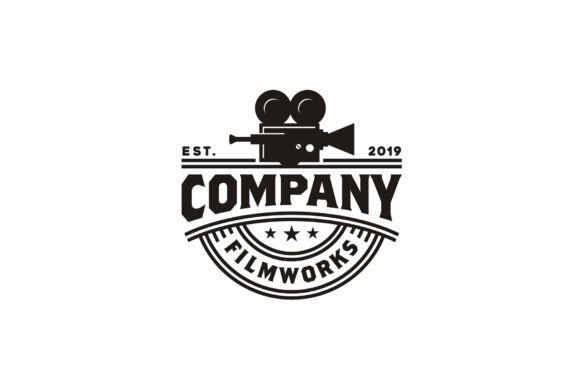
When you acquire a resource like the Vintage Video Camera Film Movie Logo, typically available as a single EPS 10 vector file, you are investing in a foundational element of your visual strategy. The utility of such an asset extends far beyond its immediate visual appeal. It acts as a shorthand for your brand's narrative, suggesting that while you may utilize modern technology, your values are rooted in the timeless principles of storytelling and quality production. This article explores how to integrate this asset intentionally, ensuring it supports your broader objectives rather than serving as a random stylistic choice.
Defining the Strategic Value of Retro Cinematic Imagery
The decision to utilize a Vintage Video Camera Film Movie Logo should stem from a clear understanding of your target audience and market positioning. In the minds of consumers aged 20 to 50—a demographic that spans digital natives to experienced professionals—vintage imagery often evokes a sense of trust and established authority. Unlike fleeting trends that vanish within months, the aesthetic of classic film equipment carries a weight of permanence. It suggests that a business is not here for a quick profit but is dedicated to the art of the craft.
Strategically, this logo style is particularly effective for businesses involved in media production, photography, archival services, or even boutique consulting firms that wish to position themselves as "classic" or "timeless." By adopting this visual language, you communicate that you value the process as much as the result. However, the effectiveness of this approach relies entirely on context. If your brand is centered on hyper-fast, disposable content, a vintage camera logo might create cognitive dissonance. Therefore, the first step in your planning phase is to audit your brand voice. Does the nostalgia of the Vintage Video Camera Film Movie Logo reinforce your message, or does it distract from it?
Technical Preparation and Asset Management
Once you have determined that this aesthetic aligns with your strategic goals, the practical execution begins with the technical handling of the asset. The standard delivery format for high-quality logos of this nature is the EPS 10 vector file. This format is critical for scalability and professional application. Unlike raster images (JPEGs or PNGs) which degrade when resized, a vector file allows you to scale the Vintage Video Camera Film Movie Logo from a tiny favicon to a massive billboard without any loss of clarity.
To unlock the full potential of this file, it is essential to open it using Adobe Illustrator. This software provides the necessary tools to manipulate the vector paths, ensuring the logo fits seamlessly into your existing brand ecosystem. The file typically comes as a single unit, offering a clean slate for customization. You have the freedom to change colors to match your specific brand palette, remove unwanted text elements that do not apply to your business name, and edit curve paths to refine the silhouette. This level of control is vital for maintaining brand consistency across various touchpoints, from business cards to social media profiles.
However, a crucial limitation to note during your planning is that the text within the template is often non-editable because it has been converted to outlines. If the default text does not suit your needs, you cannot simply click and type. Instead, you must identify the original font used in the design, download and install it on your system, and then recreate the text layer manually. This extra step ensures typographic harmony and prevents the awkward appearance of mismatched fonts, which can undermine the professional look you are trying to achieve.
Integrating the Logo into Long-Term Brand Planning
Effective branding is not a one-time event but a continuous process of reinforcement. When incorporating a Vintage Video Camera Film Movie Logo into your operations, consider how it will function across different mediums over the next three to five years. Will it hold up as your business scales? Does it translate well to monochrome printing for invoices or embroidery for staff uniforms? These are practical questions that require foresight.
For content creators and educators, this logo can serve as a watermark or a channel icon that immediately establishes a niche. It signals to the viewer that the content they are about to consume is curated with care, perhaps focusing on tutorials, historical analysis, or high-production-value storytelling. For small business owners in the service sector, it can be the centerpiece of a website header, grounding the user experience in a sense of reliability. The key is to use the logo consistently. Inconsistent application—such as altering the colors arbitrarily for every campaign or stretching the proportions to fit a layout—dilutes the brand's impact and confuses the audience.
Risks of Unintentional Usage
While the aesthetic appeal of retro graphics is strong, there are risks associated with using them without a clear strategic framework. The primary danger is falling into the trap of "aesthetic over substance." If a company adopts a Vintage Video Camera Film Movie Logo solely because it looks cool, without having the operational backbone or service quality to match the implied heritage, the disconnect can be damaging. Customers may feel misled if the brand promises a "classic, reliable experience" through its visuals but delivers a disjointed, modern, or low-quality service.
Furthermore, over-reliance on stock templates without sufficient customization can lead to a lack of distinctiveness. Since these vector files are available for purchase by anyone, there is a possibility that another entity in your niche could adopt a similar look. To mitigate this risk, you must invest time in editing the curves, adjusting the color saturation, and combining the logo with unique typography. The goal is to make the template yours, transforming a generic asset into a proprietary brand mark. Failure to do so may result in a brand identity that feels derivative rather than authoritative.
Practical Decision-Making for Implementation
Before finalizing your decision to proceed with this visual direction, engage in a brief but rigorous evaluation process. Ask yourself the following questions:
- Does this align with our core values? Ensure the nostalgia evoked by the camera imagery reflects genuine aspects of your business philosophy, such as attention to detail or a love for history.
- Is the technical execution flawless? Verify that you have the correct software (Adobe Illustrator) and the necessary fonts to edit the EPS 10 file properly. Poor execution of a vector file can lead to jagged edges or incorrect spacing.
- How does this affect our customer experience? Consider the journey of your client. Does seeing this logo increase their confidence in your ability to deliver results?
- Are we prepared for long-term consistency? Commit to using the finalized version of the logo across all platforms to build recognition over time.
Making better decisions in branding often means slowing down to consider the implications of each visual element. A Vintage Video Camera Film Movie Logo offers a robust foundation for building a brand that feels established and trustworthy. However, its success depends entirely on the intentionality behind its use. By treating the asset as a strategic tool rather than a mere decoration, and by dedicating the necessary effort to customize and integrate it professionally, you can achieve results that resonate deeply with your audience.
Ultimately, the value of this logo lies in its ability to bridge the gap between past and present. It allows modern businesses to borrow the credibility of the analog age while operating in the digital world. Whether you are a freelancer looking to elevate your portfolio or a corporation seeking to humanize your image, the thoughtful application of this vintage aesthetic can be a catalyst for growth. Remember, the file is just the starting point; the strategy you build around it determines the outcome. Approach the editing process with precision, plan your rollout with care, and let the visual narrative of the vintage camera work tirelessly to support your long-term goals.